ClutchReplacementCost
Disclosure. clutchreplacementcost.com is an independent cost reference. Not affiliated with any auto repair shop or service provider. Cost ranges sourced from public price data, dated samples, and shop quotes.
updated 2026-04-28

7 Signs Your Clutch Needs Replacement (2026)

Seven distinct symptom profiles, each tied to a likely mechanical cause and an honest call on whether you can drive home or need to stop. Most are caught in time. A few mean don’t drive the car. Use the severity column to triage.
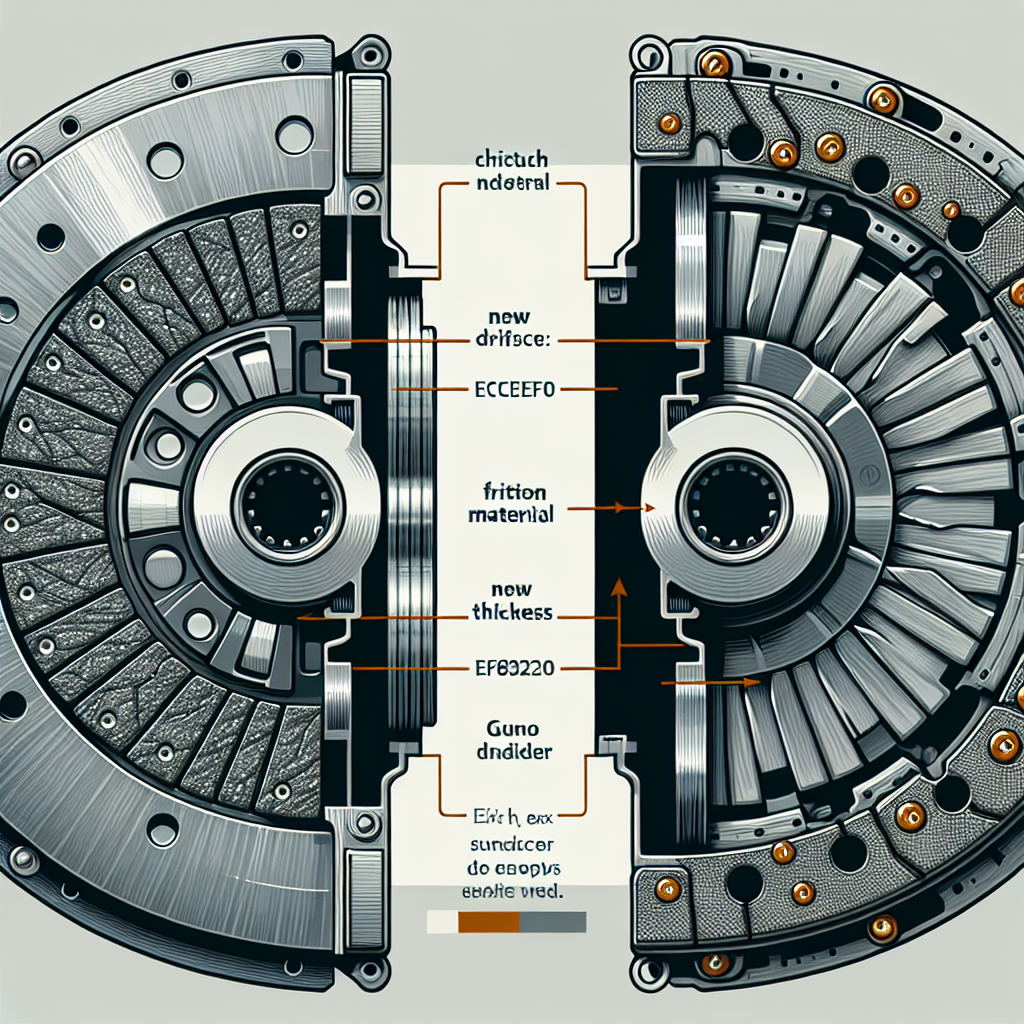
Cross-section comparison of a new vs worn clutch friction disc, showing thick friction material on the new disc and rivets exposed on the worn disc
New friction material vs worn (rivets exposed). The wear is gradual; the symptoms come on slowly.

How a clutch fails

Friction material wears down gradually under normal use. The first noticeable symptom is usually a higher engagement point , the pedal has to come up further before grip happens. As wear progresses, the disc slips under load, generates heat, and the symptoms intensify. By the time rivets are exposed, the flywheel is being damaged on every shift.

1. Slipping

Drive home and book it within a week.

RPM rises faster than the speedometer when you accelerate, especially in higher gears or under load. The engine note climbs but the car does not pick up speed proportionally.

The friction disc is worn thin or contaminated with oil. The pressure plate clamping force is no longer enough to lock the disc to the flywheel under load. Heat from the slipping accelerates the wear.

Catching it at the slipping stage usually keeps the bill in the typical band. Driving on a slipping clutch for weeks lets heat damage the flywheel ($200 to $500 added) and the pressure plate (already in the kit, but heat-stressed).

2. Grinding when shifting

Drive carefully and book it within days.

A mechanical grinding or scraping sound when you change gears, even with the clutch fully pressed. Gears do not engage smoothly.

The clutch is not fully disengaging. The release bearing is worn, or the hydraulic system is not providing full pedal travel, or the pressure plate fingers are damaged. Could also be a worn synchro inside the transmission.

If it is the clutch and not the transmission, full kit replacement covers it. If it is a synchro, the transmission has to come apart, separate, more expensive job. Diagnose carefully.

3. Hard clutch pedal

Drive carefully and book it within a week.

The pedal takes much more effort to push than it used to. Sometimes accompanied by a creaky or stiff feel near the top of pedal travel.

Hydraulic system issue (master or slave cylinder), worn pressure plate diaphragm spring, or a binding clutch fork. On some platforms, the pilot bushing has failed.

If it is the hydraulic system, $200 to $500 is the usual fix. If it is the pressure plate, full clutch replacement.

4. Spongy or soft clutch pedal

Do not drive far. Pull over if it loses pedal entirely.

Pedal feels mushy. Sometimes goes to the floor without resistance. Engaging gears becomes unreliable.

Hydraulic leak. Master cylinder, slave cylinder, hydraulic line, or fluid in the reservoir is low. Air in the line.

Hydraulic-only fix is $200 to $600 typically. Not a clutch-replacement situation unless the friction disc is also at end-of-life.

5. Burning smell

Stop riding the clutch. Drive home and book it.

An acrid, hot-cardboard or burnt-rubber smell, especially after stop-and-go traffic, hill starts, or a hard launch.

Friction disc overheating. Either you are riding the clutch (driver habit), the clutch is slipping under load, or both.

Catching the smell early and booking the replacement usually keeps you in the typical band. Sustained slipping plus heat will damage the flywheel and add $200 to $500.

6. Clutch judder or shudder on take-off

Drive carefully and diagnose quickly.

A vibration or shudder through the chassis when you let the clutch out from a stop. Especially noticeable when starting on a hill.

Oil contamination on the friction disc surface (rear main seal leak), worn pressure plate, dual-mass flywheel distress, or engine mount failure.

If it is oil contamination, replace the rear main seal at the same time as the clutch, $30 to $60 in parts plus the labour you are already paying. If DMF, the flywheel replacement adds $400 to $1,200.

7. High clutch engagement point

No urgency, but plan the replacement within months.

The pedal has to come up most of the way before the clutch grabs and the car starts to move. Used to grab in the middle of pedal travel.

Friction disc worn thin. The release fork has to release further before the disc is clamped back against the flywheel. The clutch is at end-of-life, even if it is not slipping yet.

Clean kit replacement, no surprises if you book before slipping starts.

Which symptom, what to do

Symptom presentPedal goes to the floor?Or no engagement at all?YESTow it. Don't drive.NOSlipping under load?Burning smell?YESBook within a week.Drive carefully.NOHard pedal? High engagement?Judder on take-off?YESPlan replacement.No urgency.NOMay not be the clutch. Diagnose.

Could it be the transmission?

A “slipping” feel can be the clutch or the transmission. Cost difference: a clutch job is $1,200 to $2,500. A transmission rebuild is $3,000 to $8,000. Misdiagnosis costs you the wrong fix or a sold upsell.

See the clutch vs transmission diagnostic for the symptoms that point each way and the conversation to have with the shop. If the symptoms suggest transmission damage rather than a worn clutch, see transmissionrepaircost.com for that cost band.

How long should a clutch last?

60,000 to 100,000 miles is typical for a daily-driven manual transmission. The range is wide because the lifespan depends almost entirely on driving style and conditions, not the brand of car.

  • Stop-and-go traffic shortens lifespan by 20 to 40 percent versus highway-heavy use.
  • Riding the clutch (resting your foot on the pedal) burns the disc quickly.
  • Towing or hauling shortens lifespan by adding load.
  • Aggressive launches damage the pressure plate and flywheel independently of disc wear.

A careful driver in highway-heavy use will see 150,000 miles or more. A delivery driver in city traffic will see 50,000.

Common questions about symptoms

Can I drive with a slipping clutch?
You can, but you should not for long. A slipping clutch generates heat that destroys the friction surface of the disc and can warp the pressure plate and flywheel. What was a $1,500 job at the slip stage can become a $2,500 job once the flywheel needs replacing. Book it within a week.
How long does a clutch last?
60,000 to 100,000 miles is typical for a daily-driver manual transmission. Stop-and-go traffic, towing, riding the clutch, and aggressive launches all shorten that. Highway-heavy use with a careful driver pushes well past 150,000 miles. Lifespan varies more by driving style than by vehicle.
How do I know if it is the clutch or the transmission?
Clutch symptoms are about engagement (slipping, judder, hard or soft pedal, burning smell). Transmission symptoms are about gear behaviour (grinding even with the pedal pressed, jumping out of gear, whining noises). Both can overlap. See the clutch vs transmission page for the diagnostic conversation to have with the shop.
Why does my clutch smell after sitting in traffic?
Stop-and-go traffic with frequent partial-engagement moments generates heat. Some smell on a hot day in heavy traffic is normal on an older clutch. Persistent strong smell is a warning that the disc is at end-of-life or you are riding the pedal.